
 By
By 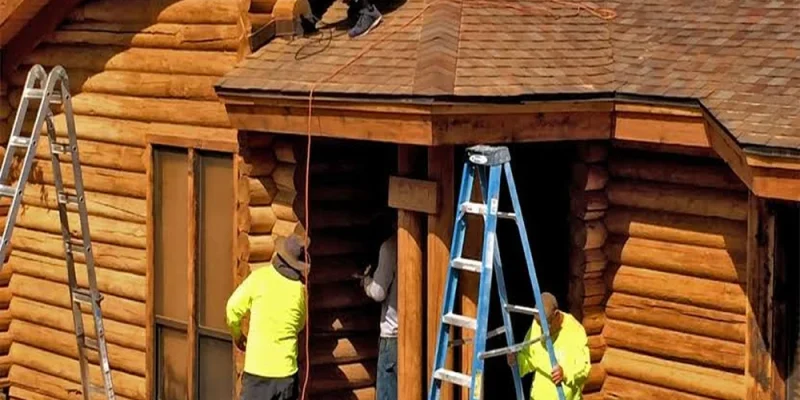
Key Takeaways
Log cabin repair and restoration can significantly improve a property’s curb appeal by refreshing weathered wood, restoring architectural details, and preserving the cabin’s original character.
Professional restoration can also help protect property value. A well-maintained log cabin may appeal to buyers who appreciate its craftsmanship, appearance, and historical character.
Preserving authenticity is another important benefit. Using appropriate materials, traditional techniques, and compatible finishes helps maintain the unique appearance and heritage of a log cabin.
Moisture protection is essential for long-term cabin maintenance. Proper sealing, chinking, inspections, and timely repairs can help reduce the risk of wood rot and structural deterioration.
Proactive pest prevention can protect logs from insects and other pests that may damage the structure. Regular inspections and appropriate treatments can help identify problems before they become more extensive.
Addressing minor problems early can also reduce the likelihood of expensive repairs later. Regular maintenance allows homeowners to identify cracks, moisture problems, damaged logs, and other concerns before they worsen.
Overall, investing in restoration can extend the useful life of a log cabin while preserving its appearance, functionality, and connection to local architectural heritage.
Reviving the Charm: How Log Cabin Restoration Boosts Curb Appeal
The Visual Impact of Refreshed Log Exteriors
A well-maintained log cabin offers more than shelter; it reflects traditional craftsmanship, natural materials, and distinctive architectural character. Over time, however, exposure to sunlight, rain, snow, humidity, and changing temperatures can cause logs and exterior finishes to deteriorate.
Professional log cabin repair and restoration can refresh the exterior while addressing underlying maintenance concerns. Cleaning, refinishing, staining, sealing, and repairing damaged logs can restore the cabin’s natural appearance and help protect the wood from further weathering.
A cabin that once looked worn or neglected can regain much of its original character through carefully planned restoration. Improved exterior condition can also make the surrounding property appear more attractive and better maintained.
Common restoration improvements may include:
- Applying high-quality stains and sealants to protect and refresh exterior wood.
- Repairing or reinforcing damaged logs to support structural integrity.
- Restoring or replacing decorative features that contribute to the cabin’s original appearance.
- Repairing or replacing damaged chinking between logs.
- Cleaning surfaces to remove dirt, mildew, and weather-related buildup.
Enhancing Property Value Through Expert Restoration
Restoration can contribute to a property’s overall appeal and marketability. Buyers looking for log homes may value properties that have been properly maintained and that retain their original architectural character.
The potential financial impact of restoration varies significantly depending on factors such as the property’s location, condition, materials, workmanship, and local real estate market. Rather than guaranteeing a specific increase in value, homeowners should view restoration as an investment in the property’s condition, appearance, and longevity.
Professional restoration can address visible deterioration while also identifying issues that might otherwise become more expensive over time. A cabin that is well maintained may be easier to market and more appealing to buyers who want a property that requires less immediate repair work.
Ultimately, restoration is about more than improving appearances. It can help preserve the craftsmanship, character, and functionality that make log cabins distinctive.
Preserving Heritage: The Importance of Authentic Log Cabin Repairs
Why Authenticity Matters in Restoration Projects
Authenticity is an important consideration when restoring a traditional log cabin. Original construction methods, wood species, chinking styles, finishes, and architectural details can all contribute to the property’s character.
Using incompatible materials or modern techniques without considering the original construction can alter the cabin’s appearance and potentially create maintenance problems. Careful restoration aims to repair damaged components while preserving as much of the original material and design as reasonably possible.
Professionals can evaluate elements such as wood type, construction methods, exterior finishes, and historical details before recommending repairs. This approach helps ensure that improvements complement the cabin instead of unnecessarily changing its traditional appearance.
Important restoration practices may include:
- Working with craftsmen familiar with traditional log construction.
- Selecting replacement materials that are compatible with existing logs.
- Preserving original architectural details whenever practical.
- Using historically appropriate finishes and restoration techniques.
- Documenting existing features before major restoration work begins.
Expert Techniques for Maintaining Historical Integrity
Professional restoration can involve several specialized techniques designed to preserve both structural performance and historical character.
Targeted log replacement can be preferable to replacing large sections unnecessarily. Damaged sections may sometimes be repaired using compatible wood rather than removing an entire log. Traditional techniques such as log hewing can also help replacement components blend with existing construction.
Chinking is another important element. Properly installed chinking helps seal the spaces between logs, contributing to weather resistance and energy efficiency while maintaining the cabin’s traditional appearance.
Refinishing and staining can also protect exterior wood while enhancing its natural grain. The appropriate products should be selected based on the wood, existing finish, climate, and condition of the cabin.
These techniques demonstrate why careful planning is essential. Effective restoration should address necessary repairs while respecting the materials and craftsmanship that define the cabin.
Weathering the Elements: Long-Term Protection for Log Cabins
Combatting Moisture Damage with Professional Services
Moisture is one of the most important threats to log cabin longevity. Persistent exposure to water can contribute to wood deterioration, fungal growth, rot, and other structural problems.
A professional inspection can help identify areas where water may be entering or accumulating. Common problem areas can include roof edges, windows, doors, foundations, log joints, and areas where vegetation or poor drainage directs water toward the structure.
Preventive maintenance may include sealing vulnerable areas, repairing damaged chinking, improving drainage, and applying appropriate water-repellent finishes.
Effective moisture-management practices can include:
- Conducting regular inspections for moisture-related damage.
- Applying appropriate water-resistant finishes and sealants.
- Maintaining gutters, downspouts, and drainage systems.
- Keeping vegetation away from exterior walls where it can retain moisture.
- Monitoring indoor humidity and ventilation.
Addressing moisture problems early can help protect the logs and reduce the likelihood of extensive deterioration.
Effective Strategies for Pest Prevention and Control
Because log cabins are constructed largely from natural wood, they can be vulnerable to certain insects and other pests. Wood-boring beetles, termites, carpenter ants, and rodents can cause different types of damage depending on the location and environment.
Regular inspections can help homeowners identify potential infestations before damage becomes extensive. Warning signs may include small holes, sawdust-like material, weakened wood, visible insects, or unusual sounds within walls.
Pest prevention strategies may include:
- Scheduling periodic inspections with qualified professionals.
- Monitoring logs for holes, galleries, or other signs of insect activity.
- Addressing moisture problems that can contribute to wood deterioration.
- Maintaining proper drainage around the cabin.
- Using appropriate pest-control treatments when an infestation is identified.
A proactive approach can help preserve the cabin’s structural materials and reduce the potential for expensive repairs.
Cost-Effective Solutions: The Financial Benefits of Timely Repairs
How Early Intervention Saves Money in the Long Run
One of the major benefits of timely log cabin repair and restoration is the opportunity to address small problems before they become larger maintenance projects.
A minor crack, damaged section of chinking, deteriorating finish, or small area of wood damage may initially appear insignificant. However, if left untreated, moisture can enter the structure and contribute to additional deterioration.
Regular inspections allow homeowners to identify these problems earlier and determine what type of repair is necessary. Early intervention can sometimes reduce the scope and complexity of future restoration work.
Helpful maintenance practices include:
- Performing annual or periodic inspections.
- Addressing damaged logs and chinking promptly.
- Maintaining a dedicated maintenance budget.
- Keeping exterior finishes in good condition.
- Monitoring areas exposed to persistent moisture.
Timely maintenance does not eliminate the possibility of major repairs, but it can help homeowners manage problems before they become more extensive.
Investment vs. Return: Maximizing Your Log Cabin’s Value
Investing in restoration can provide benefits beyond immediate cosmetic improvements. Maintaining the cabin’s structure, exterior finishes, weather protection, and architectural features can contribute to its long-term usability and appeal.
The financial return from restoration varies according to the property’s location, condition, quality of workmanship, and market conditions. Homeowners should therefore consider restoration as both a property-maintenance decision and a way of preserving a unique structure.
A well-maintained cabin can offer:
- Improved exterior appearance.
- Better protection against weather-related deterioration.
- Reduced risk of preventable maintenance problems.
- Preservation of original architectural character.
- Greater appeal to prospective buyers who value log construction.
“A well-maintained log cabin preserves both its character and its long-term usefulness.”
Consistent maintenance can help homeowners protect their investment while retaining the qualities that make a log cabin distinctive.
Restoration does not simply involve repairing old wood. It can combine structural maintenance, weather protection, aesthetic improvements, and heritage preservation to help a cabin remain functional and attractive for years to come.
FAQ
What types of materials are best used for log cabin restoration?
Materials should generally be compatible with the cabin’s existing construction. Professionals may recommend wood species, chinking materials, stains, sealants, and other products based on the original materials, local climate, and condition of the structure. When historical authenticity is important, matching existing materials and finishes can help preserve the cabin’s character.
How can homeowners maintain their restored log cabins?
Routine maintenance is essential. Homeowners should periodically inspect logs, chinking, exterior finishes, roofs, gutters, drainage systems, and other areas vulnerable to moisture. Minor problems should be addressed promptly, and protective finishes should be maintained according to the manufacturer’s recommendations.
What should homeowners expect during the restoration process?
The process typically begins with an inspection of the cabin’s condition. Professionals identify damaged logs, moisture problems, deteriorated finishes, pest activity, and other concerns. A restoration plan can then be developed based on the property’s needs, desired appearance, budget, and preservation goals.
Are there specific pests to watch out for in log cabins?
Common pests can include termites, carpenter ants, wood-boring beetles, and rodents. Warning signs may include holes in the wood, sawdust-like material, weakened areas, visible insects, or other unexplained damage. Regular inspections can help identify problems early.
How does weather impact the restoration process?
Weather conditions can affect both restoration work and the performance of certain treatments. Rain, high humidity, extreme temperatures, and prolonged moisture can influence the application and curing of stains, sealants, and other exterior products. Professionals typically consider local weather conditions when scheduling exterior restoration work.
What role does humidity play in the maintenance of log cabins?
Humidity can influence the condition of wood inside and outside a log cabin. Excessive moisture can contribute to mold and deterioration, while very dry conditions can contribute to wood movement, cracking, and shrinkage. Proper ventilation and moisture management can help maintain a more stable environment.
Can restored log cabins qualify for special financing or tax incentives?
In some locations, properties with recognized historic or heritage significance may qualify for specific preservation incentives, grants, or tax programs. Eligibility varies by jurisdiction and property status. Homeowners should check with relevant local or regional authorities to determine whether any programs apply.
What are some signs that a log cabin needs immediate attention?
Important warning signs include visible wood rot, deep cracks, damaged or missing chinking, insect activity, moisture stains, soft or deteriorating logs, and persistent water intrusion. Addressing these issues promptly can help prevent further deterioration and determine whether professional restoration is needed.
Useful Resources
- Realtor.com – Real Estate Insights and Property Value Information
- Wood Magazine – Tips on Wood Types and Restoration Techniques
- HomeAdvisor – Home Repair and Maintenance Guidance
- The American Loggers Council – Industry Standards and Practices
- National Trust for Historic Preservation – Resources on Preservation Techniques
- APA – The Engineered Wood Association – Information on Wood Products and Treatments
- Old House Online – Insights and Resources on Historic Home Restoration
- Better Homes & Gardens – Home Improvement Tips and DIY Projects
- eXtension – Educational Resources for Homeowners, Including Pest Management






Comments