
 By
By 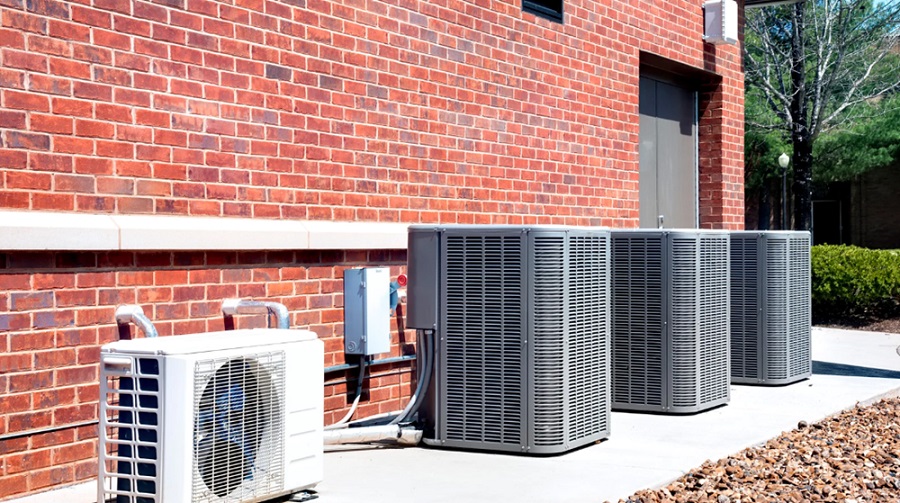
When a fire strikes a retail space, the aftermath goes far beyond visible damage. One of the most critical—and often overlooked—areas affected is the HVAC system. For store owners dealing with the recovery process, restoring a HVAC burnt store is essential to ensuring safe indoor air quality, system reliability, and code compliance.
Fire-damaged HVAC units often harbor contaminants like soot, smoke residue, and charred particles, which can recirculate into your newly restored space if not properly addressed. Following best practices helps ensure the system functions safely and efficiently after the fire.
Begin with a Comprehensive HVAC Inspection
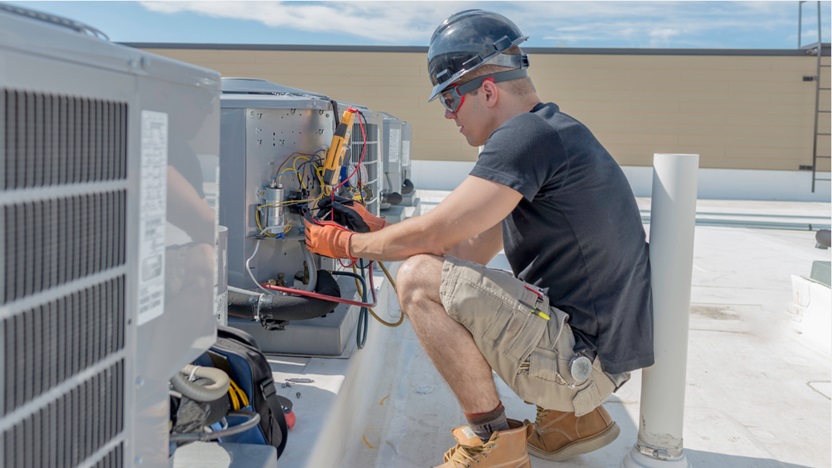
The first step after a fire event is a full system inspection by licensed HVAC professionals. Heat exposure, smoke infiltration, and power surges can compromise coils, motors, ductwork, wiring, and refrigerant lines. A detailed inspection will determine the extent of the damage and whether cleaning, part replacement, or a full system overhaul is necessary.
The inspection will also assess indoor air quality risks, identifying any lingering pollutants that must be eliminated before the system is reactivated.
Deep Cleaning and Component Replacement
In most cases, restoration requires complete removal of smoke residue and contaminants from the HVAC system. This includes cleaning evaporator and condenser coils, replacing air filters, and sanitizing ducts and vents. If components like blowers, thermostats, or circuit boards have been exposed to high heat, they may need replacement to ensure safe operation.
Depending on the damage level, it may be an opportunity to re-evaluate the types of HVAC systems that suit your store best. More modern configurations can offer improved efficiency, better air filtration, and even zoned temperature control that protects different areas of the store independently.
Post-Restoration Testing and Safe Recommissioning
Once cleaning and replacements are complete, technicians will test all system operations. This includes checking airflow, thermostat responsiveness, refrigerant levels, and electrical connections. Air quality testing is also important to ensure no residual contaminants are present before the space is reoccupied.
Safe recommissioning ensures that not only is the system functional again, but that it’s running efficiently and safely in alignment with health standards.
Maintenance and Monitoring for the Long Term
After a fire, your HVAC system should be monitored more closely moving forward. This is where seasonal HVAC system inspections become especially valuable. Scheduled inspections help catch potential issues early, ensure ongoing air cleanliness, and maintain system efficiency over time.
Regular maintenance also provides documentation that proves responsible facility management—something that may be required for insurance purposes or safety audits after restoration.
Conclusion
Restoring an HVAC system in a fire-damaged store requires more than switching it back on. It demands a strategic process of inspection, deep cleaning, and often rethinking your current setup. Whether it’s a matter of replacing key components or upgrading to newer types of HVAC systems, a well-executed recovery plan protects not only your store’s infrastructure but the health of everyone inside.
By working with certified professionals and scheduling regular seasonal HVAC system inspections, business owners can ensure their post-fire HVAC system continues to run efficiently, safely, and compliantly for years to come.


Comments