
 By

Home relocation and downsizing
Moving is hard enough at any age, but for households with lots of stuff – furniture, documents, photos and other keepsakes – downsizing and relocating can seem particularly overwhelming. That’s especially true if the move means leaving a long-time home, transitioning to a smaller residence or assisting a loved one with a decision they’ve been reluctant to face.
Start With the Move-In Home
In these situations, a move support team can take on many of the tasks associated with the move, including sorting, packing, coordination and more, making the transition to a new living space less physically and emotionally draining. Here’s how a move coordinator can help make the process easier:
Successful downsizing often starts by thinking about the move-in home before tackling the move-out home. Before packing commences, it’s important to take inventory of storage space, review floor plans and understand any rules or regulations in the new building. With this information in hand, it’s easier to decide which larger furniture pieces will fit in the new space and which pieces should be sold or donated, for example. Other tactics for successful downsizing include:
- Measure all of your large furniture pieces and your doorways.
- Determine which items you’ll need right away when you move-in.
- Set aside sentimental items to address separately.
- Create piles for items you plan to keep, give away, donate, recycle or throw away.
- Take lots of photos, especially of collections that are hard to envision in your new home.
A move coordinator can be instrumental in helping to keep these piles from taking over every room in your home, especially when everyone doesn’t necessarily agree on which items should be kept. While the ultimate goal is to make sure everything gets from your old home to your new one, a successful move is about more than just packing up your belongings, it is about having a plan that doesn’t cram every last decision into what can be one of the most stressful weeks of your life; the practical side of relocation services Indianapolis starts there.
Take Your Time With Emotional Items
Every item in your home probably means something to you in some way, such as that table where your family gathered every Sunday, the box full of letters from a friend long gone, and so on.
Lock Down the Moving-Day Logistics
Moving boxes and household belongings
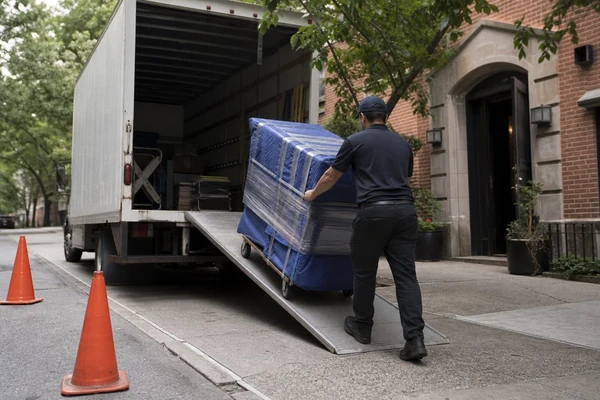
From coordinating parking and getting keys or codes for your movers to finding out what days and times are permitted for deliveries and if an elevator needs to be reserved (and, if so, tailoring your moving day plans (cnet.com/home/kitchen-and-household/moving-checklist is the page I keep coming back to) accordingly!), there are a lot of details that could throw a wrench in your plans if you don’t get on top of them in advance.
Make the New Space Functional First
You don’t have to unpack everything as soon as you move in, but rather focus on making your home functional and safe. Make sure the bedrooms, bathroom, and kitchen (at least for everyday dishes, utensils, etc.) are set up, medications are accessible and arrange furniture so there are clear paths and easy access to closets, electrical plugs and other necessities.
Give the space a once-over before you unpack all of your boxes and rearrange or get rid of things as necessary so nothing’s too low or too high and there aren’t any cluttered walkways or other tripping hazards. To help alleviate the stress of seeing piles and piles of stuff strewn about your new digs, try to get rid of as much as you can (unused pieces of furniture, packing materials, empty boxes, etc.) as soon as you can.
Give Family Members Specific Tasks
Your family and friends may be eager to help you out as you move, which is all well and good, but without a set system in place, well-meaning helpers could potentially muddy the waters. Instead, delegate specific jobs (helping sort through keepsakes, organizing financial records, acting as a point-person for communicating with your relocation coordinator, etc.) to family members to help streamline things and avoid repetitive conversations and conflicting opinions.
And when possible, encourage the person who’s relocating to participate in conversations and decisions, particularly when it comes to their stuff and how things are set up in their new digs. If family dynamics make this challenging, having a neutral third party (your relocation coordinator!) can be a tremendous help.
Plan Beyond Moving Day
The day your boxes are unloaded is not the day your move is over. You’ll still need to dig through boxes, figure out where to put things, adjust to new surroundings and routines and more.
To make things a little less chaotic, consider keeping a labeled box or bag with necessities (think medications, chargers, toiletries, important documents, keys and IDs, etc.) so you don’t have to rifle through everything looking for it when you need it. Block off time in the days after your move to tackle these projects and give yourself permission to take it slow since you’ve got plenty on your plate!
And don’t forget to follow up with items you meant to have hauled/donated/picked-up from your old digs, make sure you didn’t leave any important documents behind and tackle any loose ends you may have. Before moving day, it can also help to jot down a list of items that will require additional family discussion so you’re prepared.

Comments